Online Lecture Series
III Conference in Glycoscience
January – May 2026. TEAMS platform
Organized by the Carbohydrates Division, Spanish Royal Society of Chemistry
With the support of IQS
Register to each individual conference to receive a TEAMS invite for each session
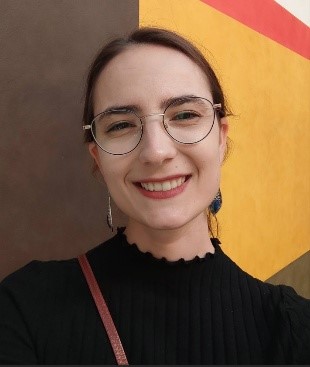
Dr. Irene Cuxart
Department of Organic Chemistry, University of Barcelona, ES.
Simulations to elucidate CAZYme reaction mechanisms
Online lecture: January 15th, 2026, 12:00h (CET)
Registration: https://events.teams.microsoft.com/event/0c09d43b-e5c7-4827-abff-9ee547009dc2@facbc786-4c47-4565-9a99-f8caeb3cbe1e
Biosketch:
She holds a BSc in Chemistry (2013–2017) and an MSc in Bioengineering (2017–2019) from the Institut Químic de Sarrià. Her Master’s thesis was conducted under the supervision of Prof. Xevi Biarnés and included a research mobility at the Universitat de Barcelona with Prof. Carme Rovira (2018–2019). She subsequently obtained her PhD in Organic Chemistry from the Universitat de Barcelona (2020–2024), supervised by Prof. Carme Rovira, with a research secondment to the group of Prof. Elisa Fadda at Maynooth University, Ireland (February–May 2023). Her PhD project, entitled “Simulations of carbohydrate-active enzyme mechanisms of two classes, GHs and GPs”, focused on the computational study of enzyme catalysis using multiscale molecular simulations. She employed force-field and QM/MM molecular dynamics simulations, together with enhanced sampling techniques, to elucidate the full reaction mechanisms of four enzymes of biotechnological and medical relevance. In parallel, she investigated the conformational preferences of their carbohydrate ligands, including a non-standard bicyclic sugar of significant biotechnological interest. Her main scientific interest lies in understanding biological systems at the molecular level. Multiscale simulation approaches provide an ideal framework to integrate her background in chemistry with her interest in complex biological systems.
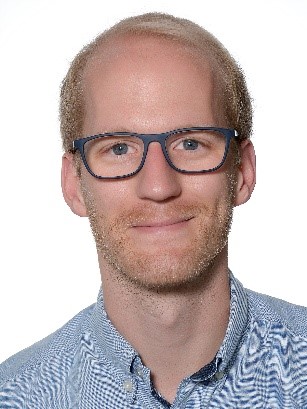
Dr. Christian Büll
Institute for Molecules and Materials, Radboud University Nijmegen, NL
Glycan Cluster Recognition
Online lecture: February 5th, 2026, 12:00h (CET)
Registration: https://events.teams.microsoft.com/event/7d07f54f-be56-4e23-b200-cafa45fc0043@facbc786-4c47-4565-9a99-f8caeb3cbe1e
Biosketch:
Christian Büll obtained his PhD degree (2017, cum laude) at the Radboud University Nijmegen studying the role of sialic acids and Siglecs in tumor immunology. For postdoctoral training, he first joined the Copenhagen Center for Glycomics as a Marie-Currie fellow developing the cell-based glycan array technology to dissect Siglec binding specificities and mucin-degrading enzymes. Later he studied intestinal glycosylation at the Hubrecht Institute as a Veni laureate. In 2022, he became group leader in Biomolecular Chemistry at the Institute for Molecules and Materials, Radboud University Nijmegen. His research group develops genetic and chemical glycoengineering tools to probe and control glycan interactions with the immune system and the microbiome. Christian received several awards from the Netherlands Society for Biochemistry and Molecular Biology (NVBMB Prize 2024), the Royal Netherlands Academy of Arts and Sciences (KNAW Early Career Award 2024), the International Glycoconjugate Organization (IGO Hakomori Young Glycoscientist Award 2025) and he is recipient of a Vidi grant from the Dutch Research Council.
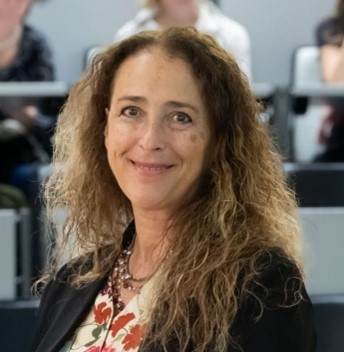
Prof. Cristina de Castro
Department of Chemical Sciences, University of Napoli, Italy
Glycosylation patterns in giant viruses
Online lecture: March 5th, 2026, 12:00h (CET)
Registration: https://events.teams.microsoft.com/event/122225cd-ce40-4638-8336-7281ef4a6faa@facbc786-4c47-4565-9a99-f8caeb3cbe1e
Biosketch:
Prof. De Castro is professor in Organic Chemistry, and her research activity focuses on carbohydrate structural chemistry. The training of Prof. De Castro, in this subject, started during her bachelor’s thesis, where she determined the structure of the mucilage produced from a plant, Ceratozamia spinosa. Since then, prof. De Castro continued her work on carbohydrate structural chemistry, shifting her activity to the analysis of the bacterial membrane carbohydrate components, paying attention to Gram-negative bacteria and to lipopolysaccharides (LPSs). This is because LPSs are vital components of Gram-negative bacteria, and correlating their structure to their biosynthesis opens new avenues for drug development against pathogenic species. The study of LPS has led to the development of chemical and spectroscopical approaches that have been applied to the investigation of other types of glycans, such as teichoic acids, capsular polysaccharides from the bacteria of the gut microbiota, or those of the giant viruses. What makes giant viruses different from many other viruses is the fact that they do not rely on the host resources to glycosylate their proteins.
Prof. De Castro is author/coauthor of more than 170 publications; she delivered about 15 invited lectures as keynote or plenary speaker over the last 10 years, including the Ferrier Lecture in Carbohydrates in 2025, at Victoria University in Wellington (NZL). Prof. De Castro is on the editorial board of different journals in carbohydrate structural chemistry and biochemistry: Carbohydrate Polymers, Carbohydrate Research, Glycobiology, and the Journal of Biological Chemistry.
Fumiichiro Yamamoto, Ph.D., Dr.HC
Josep Carreras Leukaemia Research Institute, Barcelona, ES
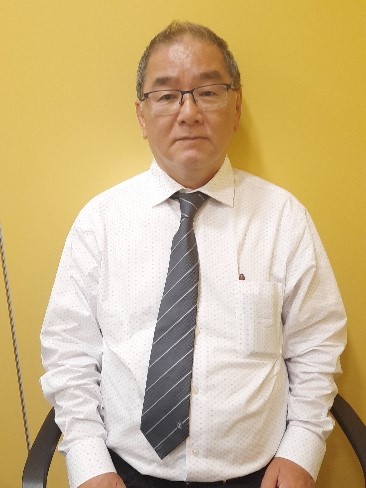
ABO+logy: The Bioscience of ABO Blood Groups
Online lecture: April 16th, 2026, 12:00h (CET)
Registration: https://events.teams.microsoft.com/event/53424a60-7cd0-4a39-9abc-325886853c21@facbc786-4c47-4565-9a99-f8caeb3cbe1e
Biosketch:
Dr. Fumiichiro Yamamoto received his Ph.D. in Developmental and Cellular Biology from Osaka City University (now Osaka Metropolitan University) in Osaka, Japan. Following postdoctoral training at the State University of New York at Stony Brook (Stony Brook University) in New York, USA, he became Head of the Molecular Biology Laboratory at The Biomembrane Institute in Seattle, Washington. During this time, he also held a joint appointment in the Department of Pathobiology at the University of Washington’s School of Public Health, first as a Research Assistant Professor and later as a Research Associate Professor. In 1995, he joined the faculty of the La Jolla Cancer Research Foundation (now the Sanford Burnham Prebys Medical Discovery Institute) in La Jolla, California, as an Associate Professor. After serving as the Chaire d’Excellence Pierre de Fermat at the University of Toulouse III (Paul Sabatier University) in Toulouse, France, he was recruited in 2009 as a Senior Group Leader at the Institut de Medicina Predictiva i Personalitzada del Càncer (IMPPC) in Badalona, Spain. In 2015, Dr. Yamamoto’s research group was incorporated into the Josep Carreras Leukaemia Research Institute.
Dr. Yamamoto’s pioneering contributions have earned him international recognition. He received the Jean Julliard Prize from the International Society of Blood Transfusion (ISBT) for elucidating the molecular genetic basis of the ABO blood group system. He was honored with the Karl Landsteiner Memorial Award from the Association for the Advancement of Blood and Biotherapies (AABB) for his leadership in cloning the major blood group genes. He also received the James Blundell Award from the British Blood Transfusion Society (BBTS) in recognition of his interdisciplinary work in ABO research (“ABO+logy”). He was subsequently named a BBTS Fellow (FBBTS). In addition, he was awarded the French Diplôme de Docteur honoris causa and the Paul Sabatier Medal.
Dr. Stacy Malaker
Department of Chemistry, Yale University, CT, USA
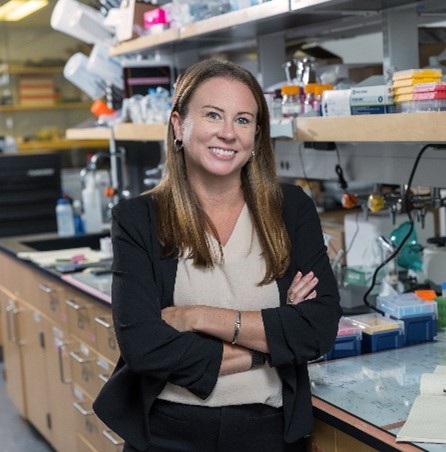
Pioneering biomarker discovery through exploration of mucin glycoproteins
Online lecture: May 14th, 2026, 15:00h (CET)
Registration: https://events.teams.microsoft.com/event/e12aa34f-8028-4fe0-83d1-94cf28158540@facbc786-4c47-4565-9a99-f8caeb3cbe1e
Biosketch:
Dr. Malaker is assistant Professor at the Department of Chemistry, Yale University. Diseased cells have significantly altered glycosylation patterns compared to normal cells, but the functional significance with regard to disease progression is not well understood. This gap in knowledge is largely attributable to the difficulties associated with studying cell-surface glycans and their associated structures. The need for new techniques to study glycoproteins is crucial to understand how aberrant glycosylation contributes to the onset, progression, and metastasis of disease. Toward this goal, my work seeks to (a) better understand how glycosylation contributes to immune signaling, (b) develop methods to visualize the spatial distribution of O-glycans and their associated glycoproteins, and (c) improve diagnostic techniques for diseases such as ovarian cancer. Together, we envision that this work will lead to a greater understanding of altered glycosylation in health and disease. As a newly hired assistant professor at Yale University, my experience with glycoproteomics, cancer immunology, glycobiology, and chemical biology makes my laboratory uniquely suited to tackle the aims of this proposal. In particular, over the last several years, I have developed novel techniques to enable the investigation of altered glycosylation and glycoproteins by mass spectrometry. Given my experience in this realm, I am confident we will succeed in the aims of this proposal.
As a graduate student, I joined the laboratory of Donald F. Hunt at the University of Virginia. There, I was the first to discover the presence of glycosylated MHC class I associated peptides in cancer. I also studied as a Visiting Scientist in Professor Mark Cobbold’s laboratory to understand how these glycopeptides can stimulate an immune response. After making these discoveries, I remained in Professor Hunt’s laboratory, where I expanded on my doctoral work in discovering over 100 N- and O-glycosylated peptides presented by the MHC class II processing pathway in melanoma. These discoveries made me realize the importance of glycosylation, as well as the dearth of tools to probe glycoconjugates. As such, I joined Carolyn Bertozzi at Stanford University as an NIH postdoctoral fellow. In her lab, I contributed two major advancements to the field of glycobiology and glycoproteomics: (1) the upcycling of bacterial mucinases as research tools, and (2) discovery of the human mucinome. During my postdoc, I received a Visiting Scholar fellowship to study at the Université de Lille, where I developed methods to combine information from MALDI MSI with intact glycoproteomics; this allowed for a better understanding of the dysregulated glycan landscape in glioma. Taken together, I have established myself as an emerging leader in the fields of mass spectrometry, glycobiology, and glycoproteomics.